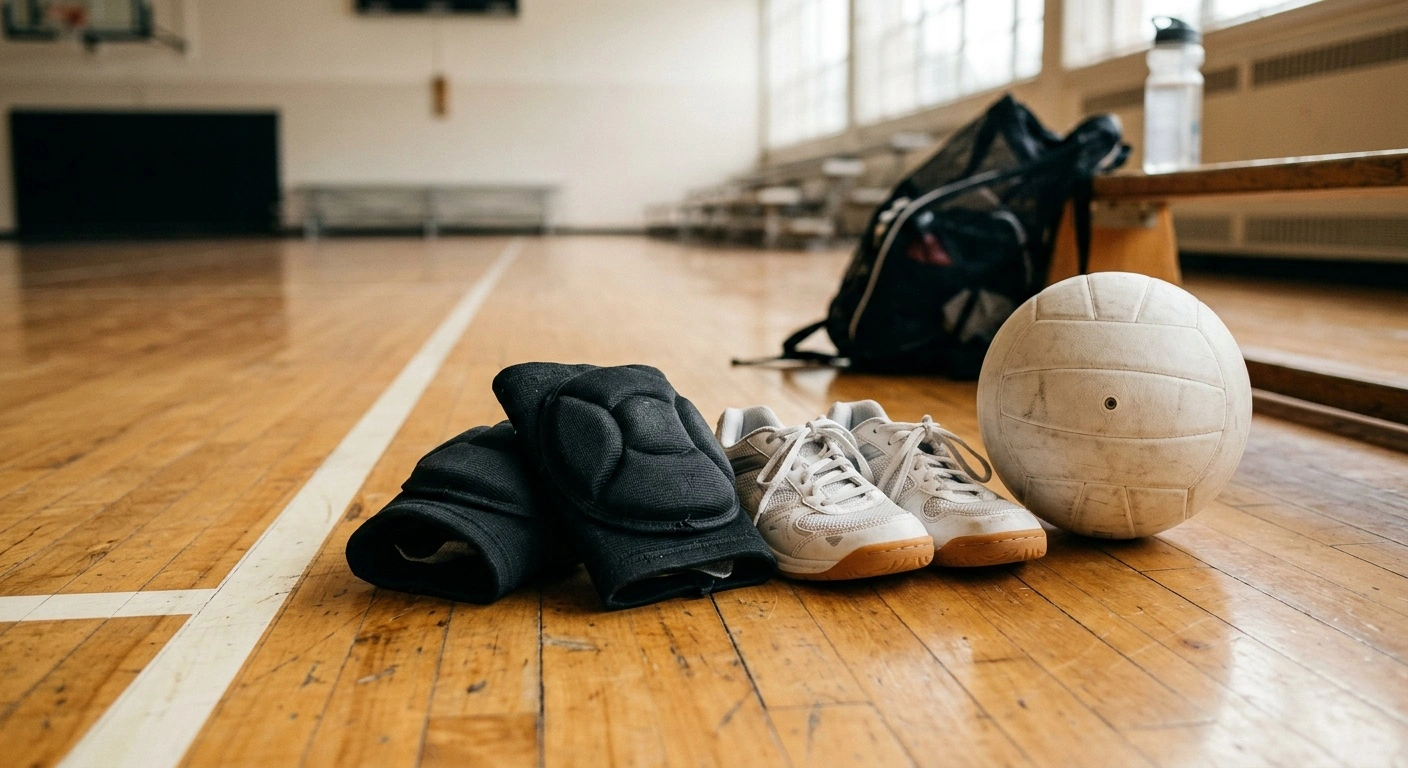
Kids volleyball knee pads protect young players during dives, falls, and floor contact. A secure fit also lets athletes move freely without stopping to adjust their gear.
The right pair depends on size, padding, court position, and practice frequency. Use this guide to compare options and check the fit before the first match.
How to Choose Kids Volleyball Knee Pads
Start with the manufacturer’s size chart because youth sizing varies between brands. Measure around the center of the knee while the player stands with a relaxed leg.
Then compare that measurement with the listed size range. Age alone does not provide an accurate fit.
Check the Fit
Knee pads should feel snug without pinching the skin or limiting circulation. The sleeve should stay in place during squats, short sprints, and side-to-side movement.
Ask the player to bend each knee several times. The pad should remain centered over the kneecap and should not bunch behind the joint.
Loose pads can slide during a dive. However, pads that feel too tight may restrict movement and leave deep marks on the skin.
Choose the Right Amount of Padding
Thicker foam provides more cushioning during frequent floor contact. It often suits beginners who are still learning how to dive and land safely.
Low-profile padding feels lighter and may allow a wider range of motion. Experienced players sometimes prefer this design for quicker movement around the court.
Padding should cover the kneecap and the areas most likely to strike the floor. Large pads offer broader coverage, but they can feel bulky on smaller legs.
Look for Breathable Materials
Volleyball practices generate heat and sweat. Stretch fabrics with ventilation panels can improve airflow and help the sleeves dry between sessions.
Many designs combine polyester, nylon, elastane, or similar synthetic materials. Check the product label for exact fabric details and washing instructions.
Flat seams can reduce rubbing during long practices. Soft interior fabric may also help players with sensitive skin.
Fit Features That Matter During Play
Good
kids volleyball knee pads stay secure through repeated jumps, dives, and defensive movement. Flexible sleeves should follow the knee without folding over at the edges.
Sleeve Length
Longer sleeves may provide extra stability above and below the knee. Shorter sleeves can feel cooler and less restrictive.
Neither style works for every player. Let the athlete test both options while wearing
volleyball shorts and court shoes.
Pad Shape and Coverage
Contoured pads wrap around the front and sides of the knee. This shape may help during angled landings, when contact does not occur directly on the kneecap.
Some models use segmented foam that bends with the joint. Others use a single molded pad for firm, consistent coverage.
Grip and Compression
Elastic cuffs help hold the sleeve in place. Some pads also include silicone grip strips, though these can irritate sensitive skin.
Compression should feel even across the sleeve. A tight cuff paired with a loose center often leads to slipping or discomfort.
How to Test Knee Pads Before a Match
Have the player wear the pads during a full practice before using them in competition. This trial reveals slipping, rubbing, heat buildup, and restricted movement.
Include common volleyball actions in the test:
- Squatting into a defensive position
- Shuffling in both directions
- Kneeling and standing several times
- Performing controlled dives with a coach
- Jumping and landing with bent knees
Inspect the skin after practice. Redness that fades quickly may come from normal compression, but pain or lasting marks signal a poor fit.
Cleaning and Replacing Volleyball Knee Pads
Sweat and court dust collect in the fabric after each session. Air out the pads promptly instead of leaving them inside a closed sports bag.
Follow the care label when washing them. Many manufacturers recommend cold water, mild detergent, and air drying to protect the foam and elastic.
Replace pads when the foam stays compressed, the fabric tears, or the sleeves slide despite correct sizing. Exposed or uneven padding may no longer cushion the knee effectively.
Choosing a Pair for Your Young Player
Comfort, coverage, and secure sizing matter more than color or brand recognition. Kids volleyball knee pads should support natural movement while cushioning routine contact with the court.
Measure carefully, review the brand’s size chart, and test the pads during practice. A well-fitted pair helps young athletes focus on footwork, positioning, and safe diving technique.