What Makes a Youth Soccer Ball Unique?
A
youth soccer ball is more than just a smaller version of the adult counterpart—it’s designed specifically to match the needs of younger players. Whether you’re heading to the Cotswolds for a family weekend or exploring the barrios of Buenos Aires, bringing the right ball ensures kids play safely and confidently. From the Parc de la Ciutadella in Barcelona to the outreach zones of Kruger National Park, choosing the right
youth soccer ball can enhance every family’s travel experience.
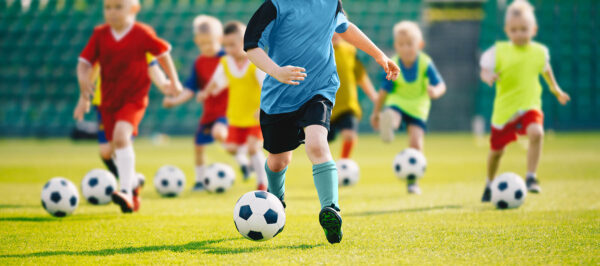
Constructed to be lighter, smaller, and more responsive, the youth soccer ball supports ball control and makes the game more accessible for developing feet and minds. Every element—from the outer surface to the core bladder—impacts how the ball feels during play. For traveling families or young players learning the game, choosing the right ball can transform casual kickabouts into meaningful moments.
Size Matters: Choosing the Right Ball for the Right Age
Picking the appropriate soccer ball size is essential for safety and skill development. A child’s age and physical development play a key role. Here’s a quick guide to selecting the correct youth soccer ball:
- Size 1 (Skills Ball): 18–20 inches in circumference. Perfect for toddlers and pre-K children, this ball is also commonly used for developing footwork or as a fun souvenir.
- Size 3: 23–24 inches. Recommended for players aged 8 and under. In parks across Lima or the lively plazas of Seville, you’ll often see children using this size for casual games.
- Size 4: 25–26 inches. Best for ages 8 to 12. It’s the go-to ball size in youth academies like La Masia in Spain and grassroots clubs all over the world.
- Size 5: 27–28 inches. The official size for players over 12, often used by older youth transitioning into formal leagues or international competition.
Using the right size ball helps prevent injuries, reduces frustration, and allows young players to develop important skills. Whether you’re playing on the turf of Stanley Park in Vancouver or the volcanic beaches of Santorini, the correct youth soccer ball ensures a more fulfilling, confident play experience.
The Core Components: Understanding Ball Construction
The performance of a
youth soccer ball is determined by its construction. Every layer supports specific aspects such as control, durability, bounce, and safety. Let’s break down the components you should consider when purchasing a ball—whether online or in unique spots like Decathlon Lyon or Futbol Republic in Cusco.
Outer Casing/Surface
Most youth balls use synthetic leather, typically polyurethane (PU) or polyvinyl chloride (PVC). PU offers a softer touch, beneficial for young players mastering control. PVC is tougher and more water-resistant, great for rougher surfaces like schoolyards or cobblestone alleys in Hanoi.
Panels
Traditional 32-panel balls are being replaced by 26- and 18-panel designs. Fewer panels reduce air resistance and offer smoother flight—ideal for practicing accurate passes, even in breezy spots like Scotland’s Highlands or Patagonia’s fields.
Stitching
Hand-stitched
youth soccer balls are durable and ideal for regular play in community parks across Medellín or rural neighborhoods in Kenya. Machine-stitched balls balance affordability and quality, while thermally bonded ones resist water—perfect for wet climates like Southeast Asia.
Inner Lining
The layers between the casing and bladder affect both structure and responsiveness. Most youth soccer balls feature 2–4 foam or polyester layers, which protect developing feet and improve touch. This padding helps beginners gain confidence faster.
Bladder (the Core)
Butyl bladders retain air longer and hold their shape over time, making them ideal for travel. Latex bladders offer enhanced responsiveness but require frequent re-inflation—suited for regular home play or soccer clubs with support gear onsite.
Local Picks: Where to Buy Unique Youth Balls Around the World
Forgot your ball or want to pick up a memorable local version? These global hotspots offer authentic youth soccer balls with regional flair and reliable quality:
- Mexico City: At Tianguis Deportivo del Salado in Iztapalapa, you’ll find hand-painted youth balls perfect for pickup games.
- Japan: Sapporo’s North Field Sports stocks youth soccer balls certified by the JFA, with stylish colorways adored by local clubs.
- South Africa: Sportscene at Gateway Mall in Umhlanga offers tough, durable youth balls built for the country’s varied natural surfaces.
- Portugal: Along Lisbon’s Rua Augusta, you’ll discover handmade youth balls sold by artisans—ideal for street games near the Tagus River.
Always test the ball’s bounce before purchase, especially in less formal markets. Choose one that feels solid but is easy for smaller feet to control. Avoid super-light novelty balls—they often offer poor performance and minimal durability.
Top Play Surfaces and Family-Friendly Pitches
To get the most out of your
youth soccer ball, pair it with the right surface. The following destinations are ideal for young families seeking fun, casual soccer sessions during their travels:
- Barcelona, Spain – Espai Barça Mini Pitch: A compact turf field near Camp Nou, surrounded by murals and designed for quick touch play. Ideal for size 4 youth balls.
- Christchurch, New Zealand – Hagley Park: Large green spaces provide calm practice areas, with tree shade for midday drills or kickabouts.
- Boston, USA – Carter Playground: This urban turf field welcomes youth players year-round. Its central location and family-friendly atmosphere make it a standout spot.
- Rio de Janeiro, Brazil – Praia do Flamengo: At low tide, the beach is flat enough for barefoot soccer using a soft-surfaced youth soccer ball.
Morning and late afternoon are the best times to engage with local kids on community fields. Bringing a recognizable international brand ball, like Adidas Messi Youth or Nike Academy, often sparks organic games and new friendships.
Tips for Maintenance and Travel Storage
Taking care of your
youth soccer ball ensures lasting performance, especially on the road. A few lightweight accessories go a long way in maintaining the ball’s shape, bounce, and feel:
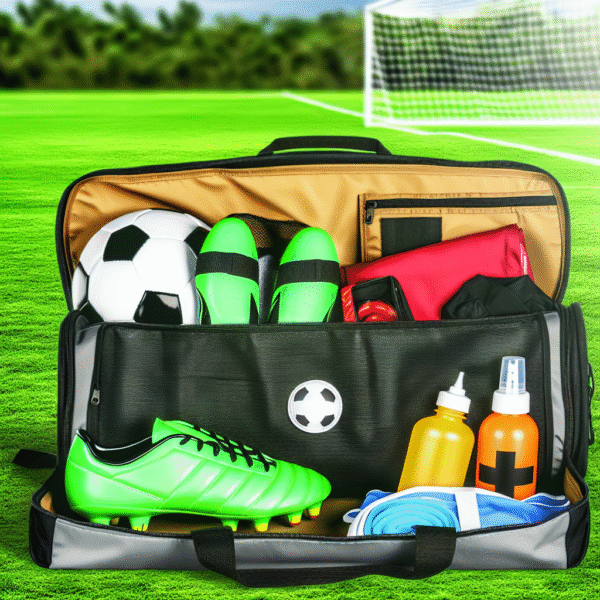
- Pack a compact hand pump—ideally one with a pressure gauge or foldable design.
- Dry the ball after wet games to prevent moisture damage in humid regions like Bali or Costa Rica.
- Use a mesh laundry bag or soft-sided carrier for airflow and convenience.
- If space is limited, deflate the ball between stops, protect the valve, and avoid compressing it tightly in your luggage.
Many traveling families keep a size 3 youth soccer ball in their backpacks for spontaneous fun—whether beachside, at campsites, or in bustling market squares. It’s a compact tool that bridges cultures and keeps kids engaged anywhere.
Let the Game Travel With You
No matter where your journey takes you—from mountaintop villages in Peru to coastal towns in Japan—the universal appeal of soccer provides endless opportunities for connection. A well-chosen youth soccer ball adapts to diverse environments and makes fun more accessible for the entire family. Pack wisely, play joyfully, and let the ball carry your child’s imagination across borders and into unforgettable moments of global play.