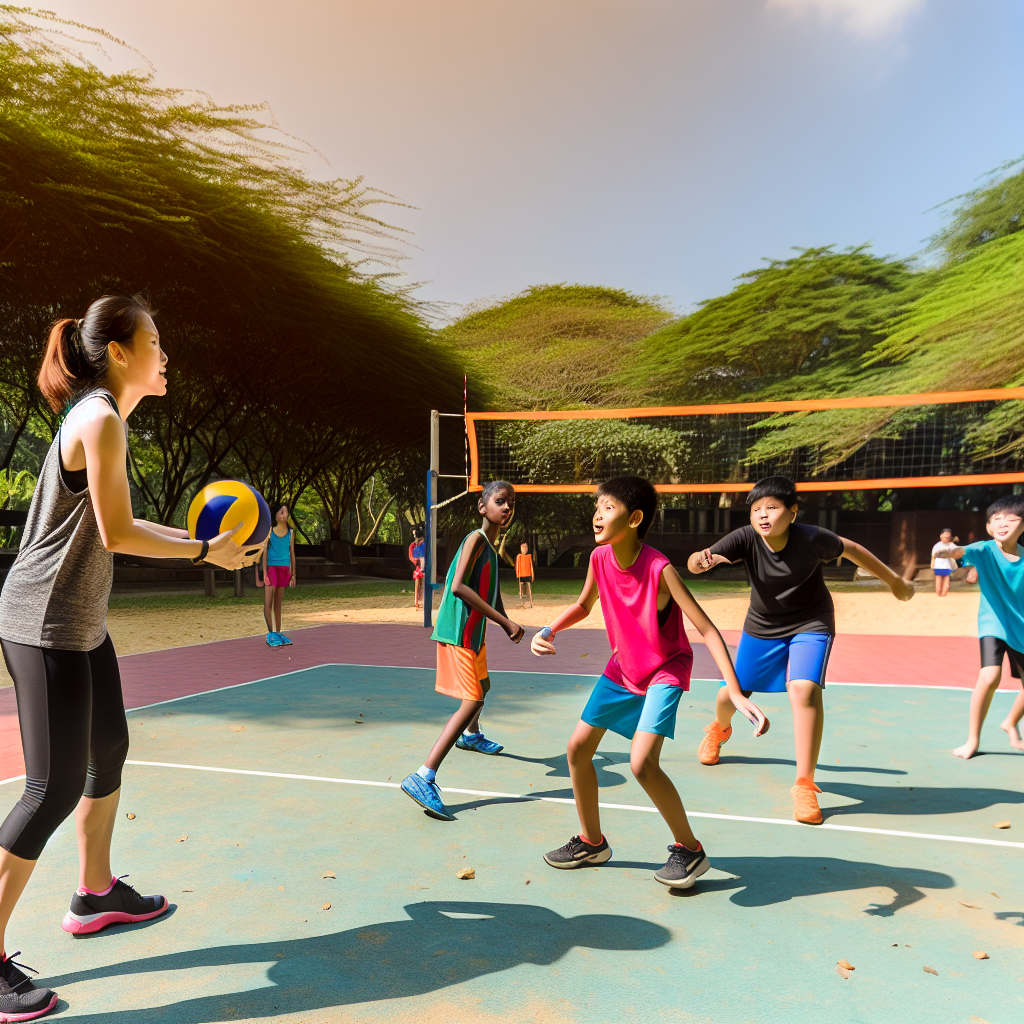
Why Youth Volleyball Drills Beginners Should Start with Matter
Youth volleyball drills beginners should start with are essential for building foundational skills, especially during travel or family vacations. Whether you’re vacationing in the Pacific Northwest or enjoying the sun on Florida’s beaches, you’ll find volleyball courts popping up in community parks and recreation centers. These beginner drills do more than just fill time—they create early experiences in teamwork, boost confidence, and help kids stay active in exciting new settings.
Adding youth volleyball drills for beginners into your trip itinerary elevates more than just fitness. It strengthens connections between families, encourages healthy routines, and introduces kids to new communities. From the beaches of Port Aransas, Texas, to the mountain-framed courts of Lake Tahoe, families will uncover local leagues and beginner-friendly clinics. These often-overlooked opportunities foster positive social experiences through shared love for the game.
This guide provides real-world youth volleyball drills beginners can use, plus tips for applying them everywhere—from campgrounds to beach towns. If you’re raising the next volleyball star or simply want your children to stay active while traveling, these approachable drills help you stay consistent and create lasting, skill-filled memories.
Essential Warm-Ups and Foundational Drills
For youth volleyball drills beginners will benefit from most, starting with a structured warm-up is non-negotiable. Movement-focused warm-ups like high knees, butt kicks, and side shuffles activate the body and mindset. Five minutes of dynamic drills are ideal just before practice, especially in scenic locales like Pine Nursery Park in Bend, Oregon—perfect for energizing warm-up routines among towering pines.
The “Wall Bump” remains a tried-and-true solo drill. Have kids stand several feet from a wall and bump the volleyball against it with consistent rhythm. It builds hand-eye coordination and ball control—crucial traits for beginner success. Find a smooth wall at the Rochester Community Sports Complex or stop by a rec center while on the road.
Partner drills like the “Mirror Shuffle” offer agility training in a playful format. One child leads lateral side-to-side motions while the partner mimics movements. This interactive practice sharpens court awareness and is ideal for family-friendly spaces like Acadia National Park’s activity courts near Blackwoods Campground.
Simple Serving Drills for Confident Game Starts
For youth volleyball drills beginners often struggle with, serving drills offer early wins through structure. Start with the “Line Serve,” where players mark target zones and practice consistent delivery. This drill teaches aim and focus, and is ideal for open beach nets like those at Jacksonville Beach, Florida.
Next, introduce the “Toss and Step Serve.” Players stand behind a boundary line, toss the ball vertically, and step forward into their serve. Repetition helps solidify form and rhythm. This is easily set up with chalk or cones at locations like the Kiwanis Recreation Center in Tempe, Arizona—an all-ages venue that supports beginner volleyball.
Bonus travel tip: Locations like Santa Cruz, California offer free youth clinics during spring and summer. These incorporate regional takes on standard drills, creating immersive and skill-building vacation experiences centered around youth volleyball.
Fostering Team Communication and Court Awareness
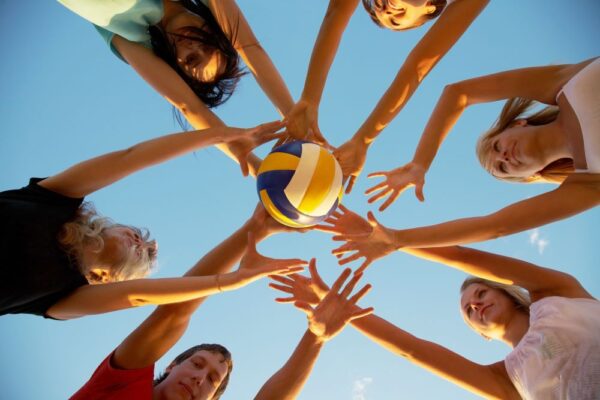
Volleyball is a team sport, and youth volleyball drills beginners use should reinforce communication early on. The “Calling Circle” drill does just that by requiring students to pass around a circle while verbally calling the next passer. It builds verbal cues, sharpens listening, and promotes quick decision-making. Parks like Lake Eola in Orlando are great spots for group drills like this.
Engage larger groups with the “Numbers Game.” Assign each player a number and pass the ball randomly, calling out the number before every hit. It improves memory, awareness, and spontaneity, plus it’s a high-energy hit at group-friendly venues like Lake George’s Million Dollar Beach or the wide, team-friendly courts around Wisconsin Dells resorts.
Planning ahead? Many state and national parks feature hidden volleyball setups near picnic tables or community amphitheaters. Look at trail maps or visitor center bulletin boards to uncover ideal spots for drill sessions in natural, crowd-free surroundings.
Introducing Defense and Net Training Fundamentals
Youth volleyball drills beginners practice must eventually include defense and net play. Start with the “Ready-Set-Dig.” In this partner drill, one player softly tosses the ball side to side while the other lunges to dig. It builds quick reactions and teaches directional movement. Outdoor spaces like Oakland’s Lake Merritt mimic in-game variability with wind and sunlight, creating ideal practice conditions.
Set up the “Cone Shuffle Dig” using five cones spaced out in a row. Kids laterally shuffle while touching each cone before digging a fed ball at every stop. Portable and effective, this drill suits trips to southwest destinations like the Grand Canyon’s Mather Campground where space and scenery support fast-paced workouts.
To introduce kids to net play, the “Soft Block” drill provides an easy entry point. One partner softly hits while the other times their jump for a defensive block. Use standard-height nets at beachfront courts like Alki Beach in Seattle or Bahia Honda State Park in the Florida Keys for consistent, beginner-friendly game environments.
Blending Drills with Travel and Cultural Adventures
You can combine youth volleyball drills beginners enjoy with travel-based learning for a well-rounded experience. For example, spend the morning at Brooklyn Bridge Park’s Pier 2 practicing serves, then take a ferry ride to the Statue of Liberty for an afternoon of history. It’s the perfect mix of physical and cultural stimulation.
Festivals such as the Waiakea Volleyball Festival in Hilo, Hawaii combine beginner youth matches with cultural performances from Pacific Islander communities—creating a meaningful travel-meets-sport itinerary. These events boost confidence and broaden horizons through sport-based immersion.
In places like Traverse City, Michigan, morning volleyball drills at Sunset Park can lead into enriching afternoons at The Dennos Museum Center. By planning days around play and discovery, families ensure kids develop physically, mentally, and socially.
Top Gear and Insider Travel Tips for On-the-Go Practice
When practicing youth volleyball drills beginners can master, portability is key. Choose a weather-resistant volleyball like those from Wilson or Molten. Travel sets often include a ball and pump, which makes maintenance on the go simple.
To track progress, consider the “SpikeUp” or “Volleymetrics” app. These allow families traveling with kids to log practice time, replay videos for form correction, and stay motivated through visuals. They’re especially valuable for visual learners looking to refine skills step by step.
Local advice? In Gulf Shores, Alabama, residents suggest early morning beach practices to beat the heat and crowds. In mountain towns like Aspen, Colorado, hidden courts like John Denver Sanctuary offer fresh alpine air and engaging views for motivated practice. This kind of grassroot insight ensures rewarding and strategic drills wherever you roam.
Another smart move: check visitor centers and local Facebook groups for drop-in volleyball clinics. Many towns host family-friendly pick-up games, especially during warmer months. These are ideal for incorporating youth volleyball drills into spontaneous, welcoming group sessions.
Encouraging Growth Through Consistency While Traveling
Maintaining youth volleyball drills beginners learn doesn’t require perfect circumstances. With adaptable routines and creative setups, it’s easy to keep young athletes engaged on the road. Whether it’s an ocean view from your Oregon cabin or a roadside park in Colorado, volleyball can become part of your family’s travel rhythm.
Consistency counts. Fifteen minutes a day keeps skill levels advancing and builds momentum regardless of location. Plus, by connecting with local players and regional traditions, kids begin to understand how sports can bridge communities and cultures. Through continued practice and travel, they’ll gain more than skills—they’ll build confidence that lasts a lifetime.