Building Strong Foundations with Youth Baseball Drills
Youth baseball drills are the cornerstone of skill development and teamwork for young athletes. Whether in a backyard or bustling ballpark, these drills play a crucial role in shaping confidence, coordination, and love for the game. Few activities captivate American families quite like youth baseball, combining nostalgia with lifelong lessons both on and off the diamond.
Every coach knows that structured training sessions go beyond rule-teaching. They instill discipline, build resilience, and foster camaraderie. In communities from Dripping Springs, Texas to San Luis Obispo, California, youth ballparks are pulsing with energy—and it all starts with the right baseball drills. For kids ages 6 to 12, travel ball squads, and neighborhood rec leagues, selecting effective drills makes all the difference in player growth and game-day performance.
How to Design Dynamic Practices Using Youth Baseball Drills
The best practices blend energy, purpose, and progression. Youth baseball drills should cover core skills—hitting, fielding, throwing, and base-running—while keeping players moving and focused. Repetition is helpful, but variety is critical to prevent boredom and maximize engagement, especially with mixed-age groups or young beginners.
Begin each session with a dynamic warm-up. Coaches in Round Rock, Texas use routines like high-knee shuffles, arm circles, and partner catching to activate muscles and reduce injury risk. Adding cone-based agility drills helps fielders improve lateral speed and reaction time, both key for defensive plays.
For hitting development, the “Tee and Go” drill attracts praise from Little League programs in Oregon’s Willamette Valley. Players hit off a tee and sprint through the bases, reinforcing bat control and awareness. For older players, incorporate soft toss drills to enhance power and refine swing mechanics.
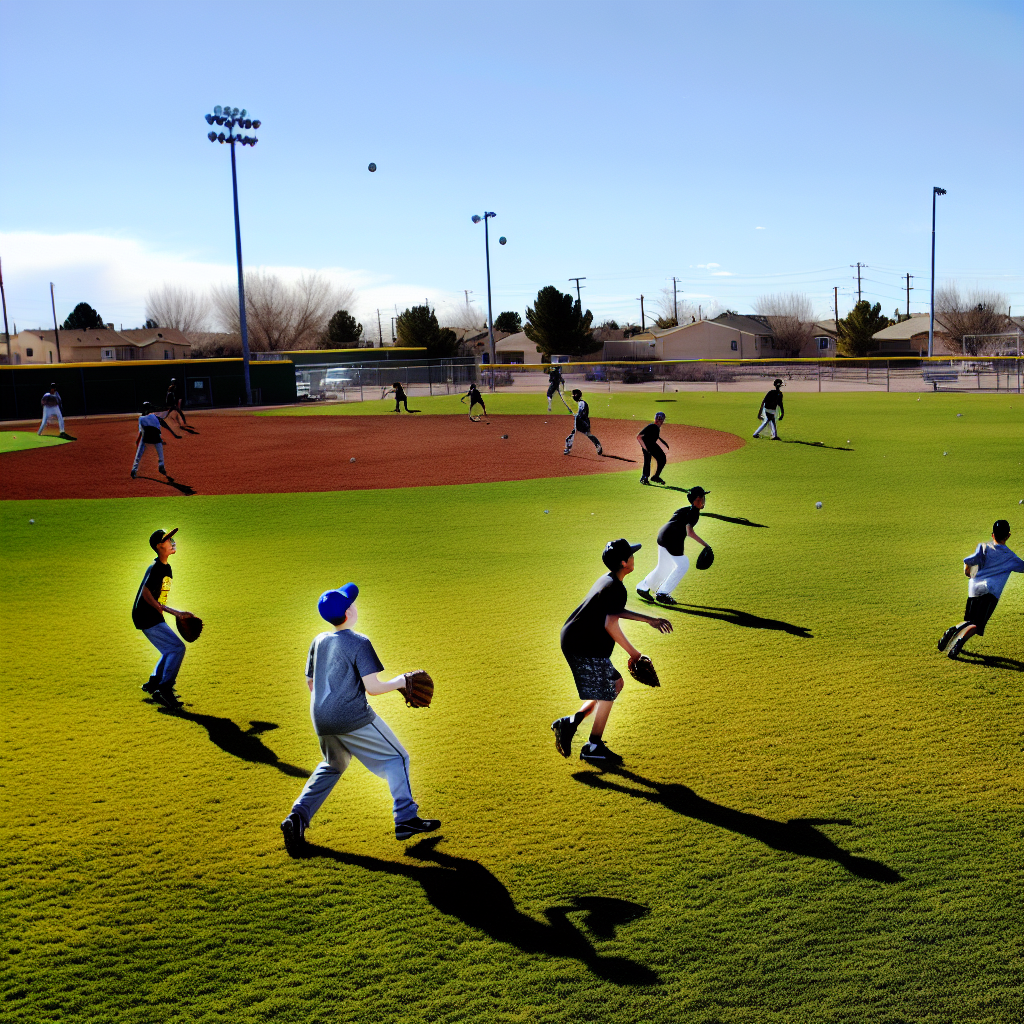
Fielding-focused youth baseball drills like the “Ground Ball Gauntlet” rotate players through multiple infield positions. This approach improves glove discipline and helps beginners develop footwork naturally. At Reno’s Bryant Park, coaches use similar multi-position stations to keep kids sharp and adaptable during scrimmage scenarios.
Hidden Training Spots for Youth Baseball Drills Across the U.S.
While traditional ballparks offer structure, off-the-beaten-path locations are great for creative practices. In St. Augustine, Florida, Eddie Vickers Park provides an intimate setting perfect for one-on-one youth baseball drills or spontaneous mini-scrimmages. Early mornings are ideal for focused training without distractions.
In Boise, Idaho, Kristin Armstrong Municipal Park pairs scenic views with open turf, great for families traveling with portable equipment. Many teams set up pop-up nets and batting tees to complete tee work sessions in nature-filled surroundings—a refreshing contrast to the usual field setting.
Midwestern coaches have found a gem in Illinois at the Rochelle Area Track and Field complex. Turf-level zones offer space for flat-ground pitching drills, allowing players to practice breaking ball grips in a low-impact setting. Nearby camping options also make this a practical and memorable training getaway for families.
Tailoring Youth Baseball Drills by Age and Ability
Youth baseball drills must match the developmental stage of your players. Younger kids, between ages 6 to 8, thrive on simple instructions and fun-filled games. The “Bucket Brigade” drill turns basic throwing into a relay-style challenge, teaching both mechanics and teamwork. In cities like Asheville, North Carolina, inclusive station-based formats help newcomers ease into the sport while making friends.
Players aged 9 to 12 benefit from drills that simulate in-game decisions. Defensive relays mimic double plays, while situational hitting stations offer live feedback. At Portland’s Hoyt Arboretum, the peaceful forest backdrop enhances drills like “Catch and Call,” where outfielders must communicate while charging fly balls.
Teenage athletes, particularly from travel squads in places like Santa Barbara, California, need precision-focused training. Track bullpen sessions using pocket radar to measure pitch velocity and integrate exit velocity tools into batting tee drills. Showing young players the impact of swing adjustments through measurable data elevates both motivation and performance.
Local Coaching Insights: Pro Tips for Effective Youth Baseball Drills
Sometimes the best ideas come straight from the dugout. Across the U.S., local coaches have pioneered fresh approaches to classic drills. Here are a few standouts to elevate your next practice:
- Chalk it up: At Daffin Park in Savannah, Georgia, chalk grids are drawn in the outfield during pop-up drills. This helps young players visualize positioning and promotes better tracking skills.
- Drop the glove: In Salem, Oregon, coaches at Wallace Marine Park use tennis balls and bare hands to teach soft hand techniques. This builds confidence and improves glove work once equipment is reintroduced.
- Empower leaders: Rec programs in Missoula, Montana rotate leadership roles among players. Letting kids lead stretches or direct stations encourages communication and boosts responsibility.
- Use video review: On Long Island, slow-motion footage helps players analyze movements. Watching themselves in action often reinforces correct habits faster than verbal cues or demonstrations alone.
These proven techniques breathe new life into everyday baseball drills and build stronger player-coach connections. They also enrich the experience for traveling families eager to join a community practice or watch local youth games unfold from the stands.
Fostering Growth Through Youth Baseball Drills and Travel
Youth baseball drills unlock more than athletic skill—they create meaningful cultural and personal experiences. Whether you’re guiding a weekend clinic, volunteering through a local league, or passing through town with gear in your trunk, structured drills allow young athletes to thrive socially, mentally, and physically.
Many families plan vacations around baseball tournaments, opting for cities like Tampa, Florida or Scottsdale, Arizona for spring break clinics. In return, these athletes gain skills in real-world contexts and form lasting friendships with peers from across the country. Coaching while on the road is also a fulfilling way to give back, whether through a YMCA, local rec league, or community camp.
From Colorado Springs sandlots to seaside parks in Cape Cod’s Sandwich, the right youth baseball drills can transform a simple practice into a life-shaping moment. With every ball caught, swing taken, or base run, kids discover resilience, teamwork, and joy—values that endure far beyond the final out.