Discovering the World of Youth Wrestling Techniques
Youth wrestling techniques form the foundation of one of the most disciplined and dynamic sports in America. From gymnasiums in Iowa to highland mats in Arizona, wrestling shapes not just athletic ability, but also self-respect, resilience, and mental agility. For families, solo travelers, and culturally curious wanderers, exploring youth wrestling offers a deeply immersive and unforgettable local experience. Whether you’re spectating in a local rec center or participating in a clinic on vacation, understanding the core techniques enhances your appreciation for this powerful sport.
Foundations First: Entry-Level Youth Wrestling Techniques
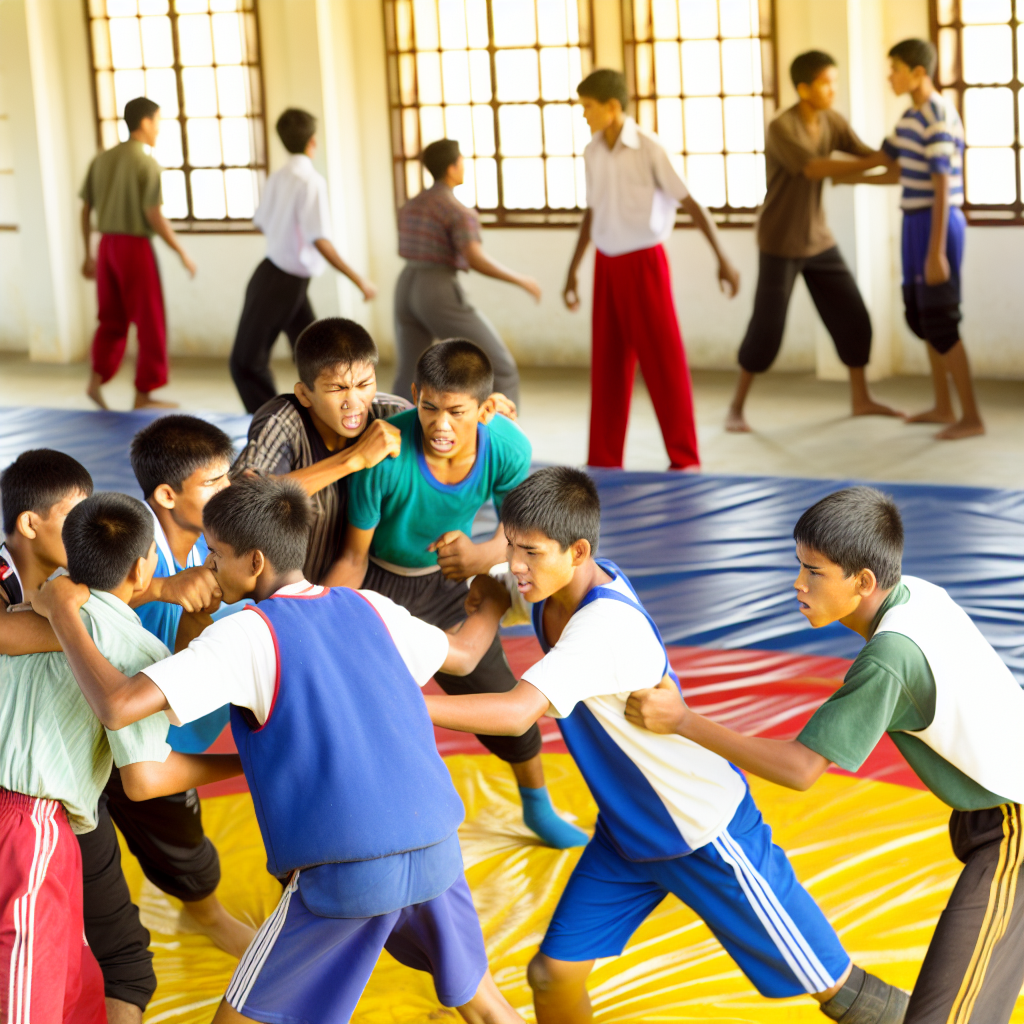
Every young wrestler begins by mastering essential youth wrestling techniques that build balance, control, and focus. Most training starts at local schools and community clubs, often welcoming kids as young as five. Early sessions teach the basics—like proper stance, movement patterns, and control positions—to instill the physical fundamentals of the sport.
In State College, Pennsylvania, community clubs align with elite programs like Penn State’s to offer beginner clinics. Young wrestlers develop skills through drills such as “stance and motion” and “penetration steps,” which are the building blocks of offensive movement. For visitors, the Penn State Wrestling Club occasionally hosts open youth training clinics—ideal for observing these techniques firsthand or for family participation.
In Flagstaff, Arizona, the Wild West Wrestling Club puts an outdoorsy twist on training. Practicing basic stances on uneven ground helps kids develop superior balance—turning nature into a teacher. For those headed toward the Grand Canyon, weekend clinics in Flagstaff offer a unique mix of scenery and sport. These beginner-focused sessions reveal how youth wrestling techniques can be both fun and challenging for kids of all ages.
The Art of the Takedown: Engaging Youth Wrestling Techniques in Action
Takedowns showcase where youth wrestling techniques meet timing, agility, and strategy. Signature moves like single-leg and double-leg takedowns or ankle picks demand coordination and quick thinking. These action-packed techniques are a highlight at matches and tournaments across the country.
Iowa remains synonymous with high-impact wrestling talent. In places like Waterloo and Cedar Falls, youth clubs such as the Hawkeye Mat Club emphasize drills for level changes, positioning, and feint attacks. Families traveling through can catch local tournaments or open practices in public spaces, often wrapping wrestling around a casual, small-town gathering complete with food and festive energy.
Over in Colorado Springs, the U.S. Olympic Training Center provides educational tours that spotlight world-class execution of takedown techniques. Youth camps and summer clinics give visiting families an authentic way to witness technique mastery while connecting with the elite roots of American wrestling. Understanding the mechanics—such as pressure, grip, and foot placement—sheds light on just how technical youth wrestling techniques truly are.
From Control to Victory: Pinning Youth Wrestling Techniques
Pinning is a defining element of youth wrestling techniques, where control transitions into a match-winning strategy. Techniques like the half nelson, cradle, headlock, and chicken wing combine strength with mental sharpness to secure the coveted pin.
Tulsa, Oklahoma plays host to the prestigious Tulsa Nationals each January—a must-see showcase of advanced pinning strategies. With dozens of matches running at once across expo mats, spectators learn how control turns into victory through technique and tenacity. The atmosphere blends competitive zeal with community pride, offering a well-rounded travel experience for families interested in sport and culture.
Elsewhere, “Friday Night Lights” wrestling events in towns like Hays and Salina, Kansas, provide an intimate look at grassroots pinning skills. These family-friendly gatherings are often free to attend, with young wrestlers showcasing recognizable, methodical techniques that newer fans can follow. Staged in open fields or school gyms, they offer a cozy alternative to big-ticket tournaments.
Hidden Wrestling Hubs to Explore While Traveling
Some of the richest youth wrestling techniques emerge in unexpected corners of the map. Small-town clubs and rural communities across North America preserve a gritty authenticity that professional arenas can’t replicate.
In Sandpoint, Idaho, youth wrestling meets wilderness. Seasonal wrestling camps near Dover Bay combine technical workouts with paddleboarding and hiking—offering physical and mental training in a lakefront setting. For traveling families, it’s an unbeatable mix of sport and scenic adventure.
In Winston-Salem, North Carolina, youth wrestling blends with historical education. Programs like “Colonial Combat Days” at Old Salem Museum & Gardens introduce kids to period-appropriate grappling games and match them with modern techniques. It’s a culturally immersive way for families to learn wrestling while exploring the roots of American sport.
Traveling in Alberta, Canada? Calgary’s Nose Creek Wrestling program introduces youth to both Greco-Roman and freestyle methods. Short-term visitor drop-ins are common at centers like Genesis Place in Airdrie. For families visiting Banff or the Rockies, it’s a well-rounded detour that combines sport, community, and inclusivity—key components of effective youth wrestling techniques.
Learning and Watching: Family-Friendly Clinics and Tournaments
Wrestling clinics and tournaments across the U.S. open doors for families to learn or observe youth wrestling techniques up close. From hands-on camps to inner-city exhibitions, these events are designed to educate, entertain, and inspire.
New York’s Beat the Streets program is a standout. Offering free youth wrestling clinics across city parks, including in Flushing Meadows and Prospect Park, the program delivers urban energy with grassroots intent. The open-air events invite families and travelers to see real-time drills and matches, often allowing casual spectators to speak with coaches and athletes directly.
Out west, the Reno Worlds Tournament held each spring is a premier destination for watching refined youth wrestling techniques. With hundreds of matches hosted at the Reno Livestock Events Center, families can plan full vacations around the tournament—mixing competition with visits to Lake Tahoe or the Sierra Nevada foothills. For added enjoyment, bring a scorecard or chat with team coaches during breaks to better understand each move in the ring.
Wrestling as a Window Into Local Life
Exploring youth wrestling techniques on your travels offers more than athletic engagement—it’s a lens into local pride, values, and tradition. Whether you’re passing through a farming town, stopping by a city park, or stepping into a rec center, wrestling reveals the heartbeat of countless communities.
To discover an event or clinic, keep an eye out for flyers in neighborhood diners, check bulletin boards at local gyms, or ask around local playgrounds. These everyday conversations often lead to surprising invitations into the world of wrestling. With its mix of movement, mentorship, and meaning, youth wrestling invites families, road-trippers, and explorers of every age to experience a sport that’s as cultural as it is competitive.