The Evolution of Youth Baseball Bats: A Journey Through Innovation and Culture
Youth baseball bats have come a long way, and their evolution mirrors the changing landscape of American sports culture. Whether you’re a family hitting the road for a cross-country baseball adventure, a traveler exploring local sports heritage, or an enthusiast curious about the latest gear, the transformation in bat technology is worth your attention—and your swing.
Today’s youth bats blend cutting-edge science with deep-rooted tradition. As you discover small-town batting cages or attend Little League tournaments in Williamsport or Cape Cod, you’ll find that these bats tell stories of regional pride, innovation, and community connections.
Material Matters: Breaking Down Modern Bat Technologies
In the last decade,
youth baseball bats have undergone major transformations. Gone are the days of solely using ash or maple wood; modern bats now include high-performance composite materials and aluminum alloys engineered for young players’ needs.
Top models like the
Easton ADV 360 and Louisville Slugger Meta use thermally treated composite barrels, delivering faster swing speeds and reduced vibration. For those starting out, one-piece alloy bats like the
Rawlings 5150 offer durability on a budget—perfect for growing athletes still honing their swing.
At the USA Baseball National Training Complex in Cary, North Carolina, you can explore the science behind these materials through hands-on demos and workshops. Try to visit during the Futures Invitational each June to see rising stars swing the latest youth gear under game-day conditions.
Understanding League Rules: What Parents Need to Know
Not every bat is legal in every league, so it’s essential for parents to verify the right certification before purchasing a
youth baseball bat. Governing bodies like USA Baseball and USSSA each maintain specific standards that impact safety and performance.
USA Baseball requires the “USA Bat” certification, which applies to leagues such as Little League, Babe Ruth, and Cal Ripken. These bats prioritize safety by regulating performance. Meanwhile, USSSA-certified bats, often used in travel ball, allow for slightly more pop and are designed for competitive athletes.
Boulder, Colorado hosts springtime gear expos in parks like Foothills Community Park. These events give parents and players a chance to test bats and receive expert advice—an excellent way to prepare before the tournament season begins.
Must-Visit Stops for Bat Fans and Baseball-Loving Families
There’s more to exploring
youth baseball bats than shopping—it’s about experiencing baseball’s heritage firsthand. These destinations combine outdoor activity, education, and hands-on opportunities with today’s top bat technologies:
- Louisville, Kentucky: Visit the Louisville Slugger Museum & Factory for a deep dive into bat production. The “Batter Up” cage lets kids test current bat models in a live setting.
- Cooperstown, New York: At the National Baseball Hall of Fame, discover interactive exhibits on youth gear and catch miniature league showcases at Doubleday Field.
- San Diego, California: Explore Exos Baseball Academy’s metrics-driven approach to custom fitting. Cap the day at Petco Park for a pro-level experience.
Each location offers exciting opportunities for both learning and fun. Try out bats in real time, connect with experts on the ground, and create unforgettable family memories along the way.
How Youth Bats Are Made: A Behind-the-Scenes Perspective
Understanding how
youth baseball bats are made can enrich your appreciation for the sport. Production tours offer insight into craftsmanship, material science, and attention to detail that separates top-tier bats from basic models.
In Ashland, Pennsylvania, Victus Sports gives tours through its Behind-the-Bat program—an appointment-only experience that reveals how raw maple becomes a precision instrument. In Batavia, New York, BatCo Bat Company welcomes drop-ins seeking to learn from artisans who focus on fine-tuning bat balance and woodgrain orientation.
These insights help players, parents, and fans understand how essential bat selection is to a player’s success and confidence on the field.
Choosing the Right Youth Baseball Bat: What to Look For
Buying a youth bat involves more than picking a popular brand. Finding the right match depends on size, swing strength, and comfort. Use these tips to confidently choose the best
youth baseball bat for your young athlete:
- Check the Drop: A -10 or -12 drop means the bat is light enough for younger players to swing comfortably.
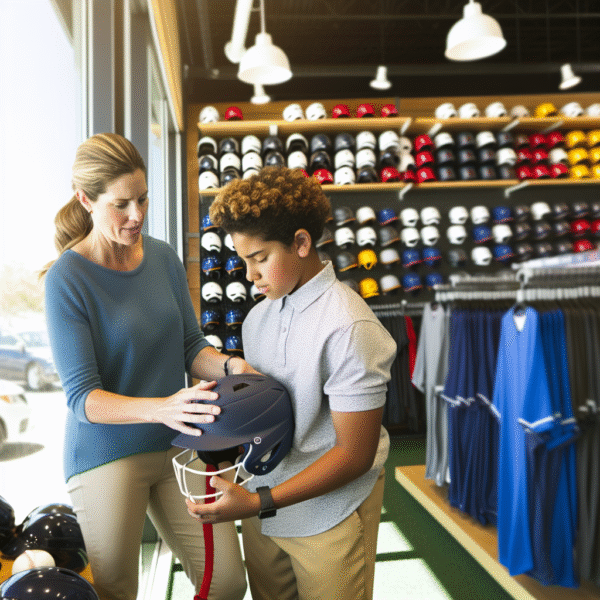
- Always Test First: Visit batting cages or stores like Dick’s House of Sport in Knoxville, where players can try before they buy.
- Balance & Materials: Balanced bats improve control, while end-loaded bats deliver more power for strong hitters. Composite bats reduce vibration; alloy bats offer durability, especially in cooler climates.
- Spend Smart Early: New players grow fast, so invest in mid-tier models first. Upgrade later as they develop technique and preference.
In Mesa, Arizona, Spring Training communities host March “Bat Days.” Kids can swing various models and measure speed using radar guns—helping families identify the right bat through real metrics and expert advice.
Hidden Baseball Treasures Across the U.S.
Beyond major cities, many small towns celebrate
youth baseball bats in creative and hands-on ways. These lesser-known stops offer charm, history, and access to local craftsmanship:
- Franklin, Tennessee: At the Field of Dreams complex, Nokona staff run summer workshops on glove and bat care. It’s a great mix of fun and functionality.
- Jackson, Tennessee: Casey Jones Village hosts unique exhibitions of patented bat designs and features vintage game reels—perfect for baseball history buffs.
- Port Angeles, Washington: The Lower Elwha Field offers youth clinics that pair swing analysis with nature exploration in nearby Olympic National Park.
Each destination adds depth to your baseball journey, allowing you to experience how innovation and tradition thrive in every corner of the country.
Where Youth Bats Meet American Spirit
The world of
youth baseball bats is more than technical specs or brand rivalry. It’s about how a piece of gear becomes part of a player’s journey. From the hills of Aspen to the diamonds of Santa Barbara, each swing connects young athletes to a larger narrative—of growth, teamwork, and national identity.
Next time your travels lead you toward a baseball trail, consider how youth bats reflect the heart of the game. With your glove ready and bat in hand, you’re not just playing—you’re experiencing a tradition that continues to evolve with every season.