Understanding Youth Baseball Glove Sizes for Every Type of Player
Youth baseball glove sizes play a critical role when selecting the perfect gear for your child. Whether you’re traveling across the Midwest in search of your next family adventure or settling down in a baseball-loving community, finding the right glove sets the stage for success on the field. In towns like Williamsport, Pennsylvania or Cooperstown, New York, baseball is more than culture—it’s tradition. And getting the correct glove fit makes all the difference between frustration and fun during game time.
Choosing the best glove may seem like a small task, but it’s a foundational step that connects young players to America’s pastime. An ill-fitting glove can lead to dropped catches and lost confidence, while the right one builds skills and fosters a love for the game.
What Are Youth Baseball Glove Sizes and Why Do They Matter?
Youth baseball glove sizes refer to the length from the tip of the index finger to the heel of the glove. For young players, this measurement typically ranges from 9 to 12 inches. Several factors influence which size is best—age, position, hand size, and playing level top the list.
Selecting the proper youth baseball glove size is crucial. A glove that’s too large restricts motion and delays reaction time. One that’s too small lacks pocket depth and coverage, making ball control difficult. In cities like Omaha, Nebraska—home to the College World Series—young athletes know that pro fundamentals start with well-fitting gear.
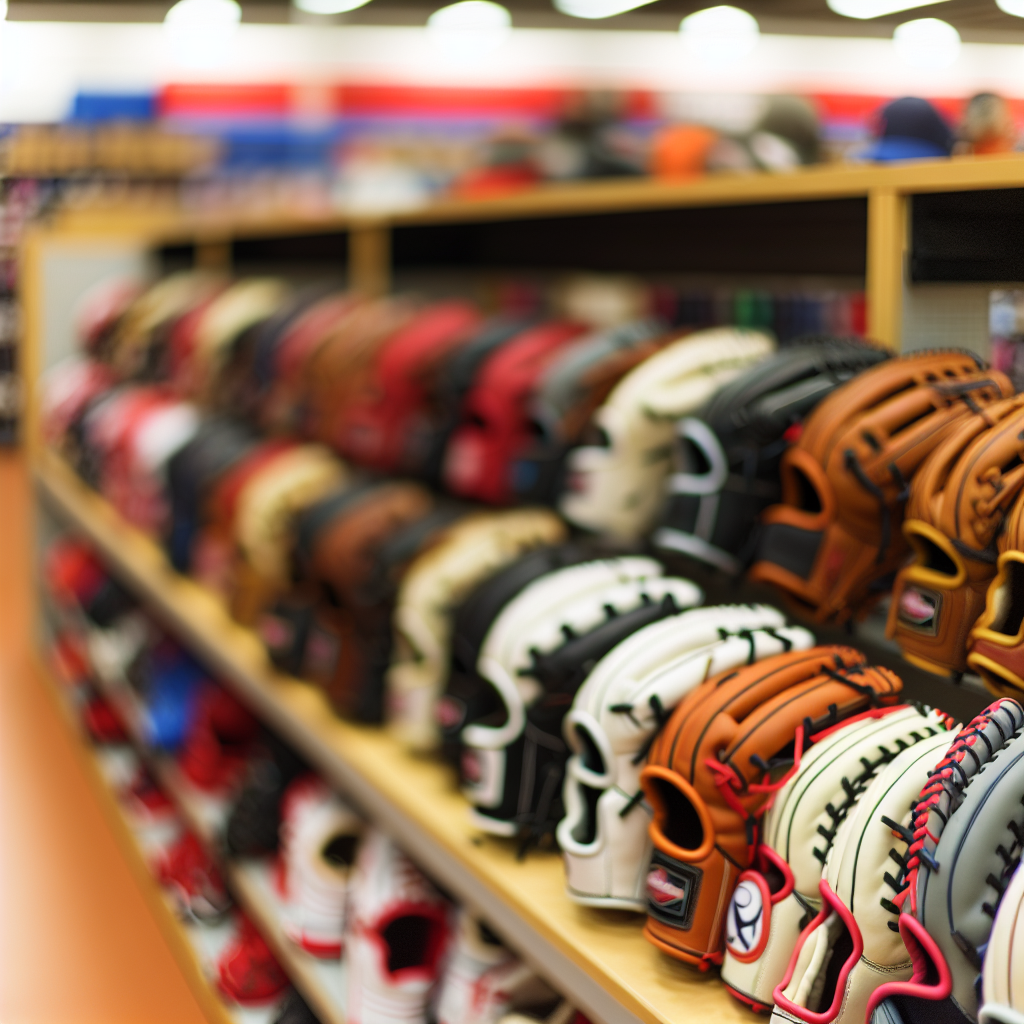
Parents should consider more than just age-based sizing charts. Visiting your local sporting goods retailer and trying on different gloves ensures a better fit. Communities like Missoula, Montana or Flagstaff, Arizona often host knowledgeable staff and product demonstrations that help guide your decision. Major brands such as Rawlings, Wilson, and Mizuno offer youth-specific models with tailored fits, but in-person testing remains invaluable.
Glove Size Recommendations by Age and Position
Just like no two snowflakes are alike, glove preferences vary by position and age. Below is a quick breakdown to help you match youth baseball glove sizes to your child’s needs:
- Recommended size: 9 to 10 inches
- Best materials: Lightweight synthetic or soft leather
- Positions: Rotational at this stage of play
In towns such as Mobile, Alabama or Redding, California, tee-ball players start their journeys with simple, comfortable gloves that close easily. Look for gloves specifically labeled “Tee-Ball” to ensure both ease of use and appropriate sizing for smaller hands.
- Infield size: 10.5 to 11 inches
- Outfield size: 11 to 11.5 inches
- Features: Deeper pocket, slightly pre-broken-in for fast adaptation
At this age, kids begin to settle into specific field positions, with leagues in places like Spokane Valley, Washington or Austin, Texas leading the charge. Infielders benefit from smaller gloves for quick transfers, while outfielders need longer gloves to catch fly balls more effectively.
- Infield size: 11 to 11.5 inches
- Outfield size: 11.5 to 12 inches
- Catcher’s mitt: 31 to 32.5 inches (measured by circumference)
Advanced youth programs in areas like Sarasota, Florida require precision and specialization. Players at this level often seek gloves with enhanced wrist support, closed webbing (ideal for pitchers), and professional-grade leather. Some coaches may even require standardized sizes for versatility across infield positions.
Try Before You Buy: Local Tips on Finding the Right Glove Fit
Online options may be abundant, but nothing beats trying on gloves in-store when evaluating youth baseball glove sizes. Local sports retailers are your best allies. In places like Nashville, Tennessee’s Hit After Hit or West Coast Sporting Goods in San Francisco, you’ll find experts who care deeply about the game—and your child’s experience.
Additionally, towns near minor league teams, such as Frisco, Texas or Columbia, South Carolina, occasionally host training clinics that offer hands-on glove fittings. These free or low-cost events allow kids to explore various glove styles while getting immediate feedback from professional coaches. Keep an eye on event listings at community centers and neighborhood Facebook groups.
Key Factors Beyond Glove Size
While youth baseball glove sizes form the foundation of a good selection, several other aspects determine the perfect glove:
- Material type: Synthetic gloves are ideal for beginners thanks to light weight and quicker break-in. Leather suits seasoned players with its long-lasting durability and better feel.
- Web design: Pitchers often prefer closed webs to hide ball grips. Infielders benefit from open-web gloves for faster transfers. Outfielders lean toward basket or H-web styles for improved ball control.
- Throwing hand: Double-check glove orientation. A right-handed player wears the glove on the left hand; left-handed players do the opposite.
In family-focused cities like Louisville, Kentucky—even at attractions like the Louisville Slugger Museum—interactive exhibits sometimes include opportunities to try on gloves. That type of experience can transform glove shopping into an educational adventure.
Tap Into Community Wisdom for Youth Glove Advice
Don’t underestimate what you can learn from local parents, coaches, and players. In cities from Las Cruces, New Mexico to Austin, Texas, parks and schools become hubs of knowledge. Parent groups often share equipment tips, trade gloves, or organize gear-swap days—perfect for quick-growing players who outgrow their gloves seasonally.
If you’re traveling during youth baseball events or tournaments, drop by a game or practice. Conversations with other families can reveal trusted local retailers or upcoming sales. Cities like Charleston, South Carolina or Bend, Oregon—where youth leagues rely on strong community ties—offer welcoming environments where advice comes easily and often freely.
Why the Right Youth Baseball Glove Size Is Worth the Investment
Selecting the right glove isn’t just about gear—it’s about setting your child up for success and connection in the sport they love. Just as an improperly sized boot can ruin an otherwise perfect hike, the wrong glove can hold a young player back. The correct fit leads to better catches, greater confidence, and memorable seasons.
Whether your journey takes you across the country on baseball-themed road trips or keeps you rooted in your local league, take time to research, try on, and select the glove that fits just right. Ask questions, visit specialty stores, and take input from coaches and seasoned parents to support your child’s athletic growth.
When it comes to youth baseball glove sizes, thoughtful selection becomes the first catch in a lifelong love of the game.