Coaching Youth Wrestling: A Journey Through Sport and Community
Coaching youth wrestling is a multifaceted experience that blends technical skill, emotional mentorship, and cultural exchange. It goes beyond takedowns and escapes—it’s about building confident, disciplined, and resilient kids. Whether you’re guiding a close-knit squad in rural Iowa or volunteering at a community center in Anchorage, Alaska, the core values remain constant: teach discipline, inspire confidence, and make each session fun and engaging.
Youth wrestling has deep roots across the United States and thrives in both small towns and bustling cities. This sport invites families and adventure-seekers to connect with local culture—whether as participants or supporters—while reinforcing the power of physical and emotional growth through coaching youth wrestling.
Why Wrestling Engages Travelers and Families
Why is coaching youth wrestling relevant for those exploring new places? Because wrestling meets often reflect the grit, pride, and values of their communities. Participating in—or even just attending—a youth wrestling tournament offers insight into traditions that define towns from the Midwest to the Pacific Northwest. Grit, humility, and hard work resonate at every match.
For coaches who travel, these events offer powerful moments of cultural immersion. Whether in Bozeman, Montana, or Stillwater, Oklahoma, you’ll find families cheering, coaches mentoring, and young athletes striving. In every gym, there’s a story—and a chance to become part of it through the art of coaching youth wrestling.
Finding Your Coaching Voice and Identity
Before stepping into the circle, ask yourself: What kind of coach do I want to be? Youth wrestling flourishes under leadership that combines strong fundamentals with empathy and encouragement. The most impactful coaches in family-oriented towns are those who build trust through consistent guidance and tailored teaching.
Success doesn’t come from yelling commands—it comes from creating meaningful connections. Visit local clubs like Mat Factory Wrestling in Lower Burrell, Pennsylvania during the off-season. Observing or assisting can improve your communication, expand your technical range, and inspire your own coaching philosophy.
Guiding principles for youth wrestling coaches include:
- Use positive reinforcement more than criticism.
- Celebrate improvement over wins and losses.
- Promote teamwork, even in this one-on-one sport.
Effective Practice Structures for Coaching Youth Wrestling
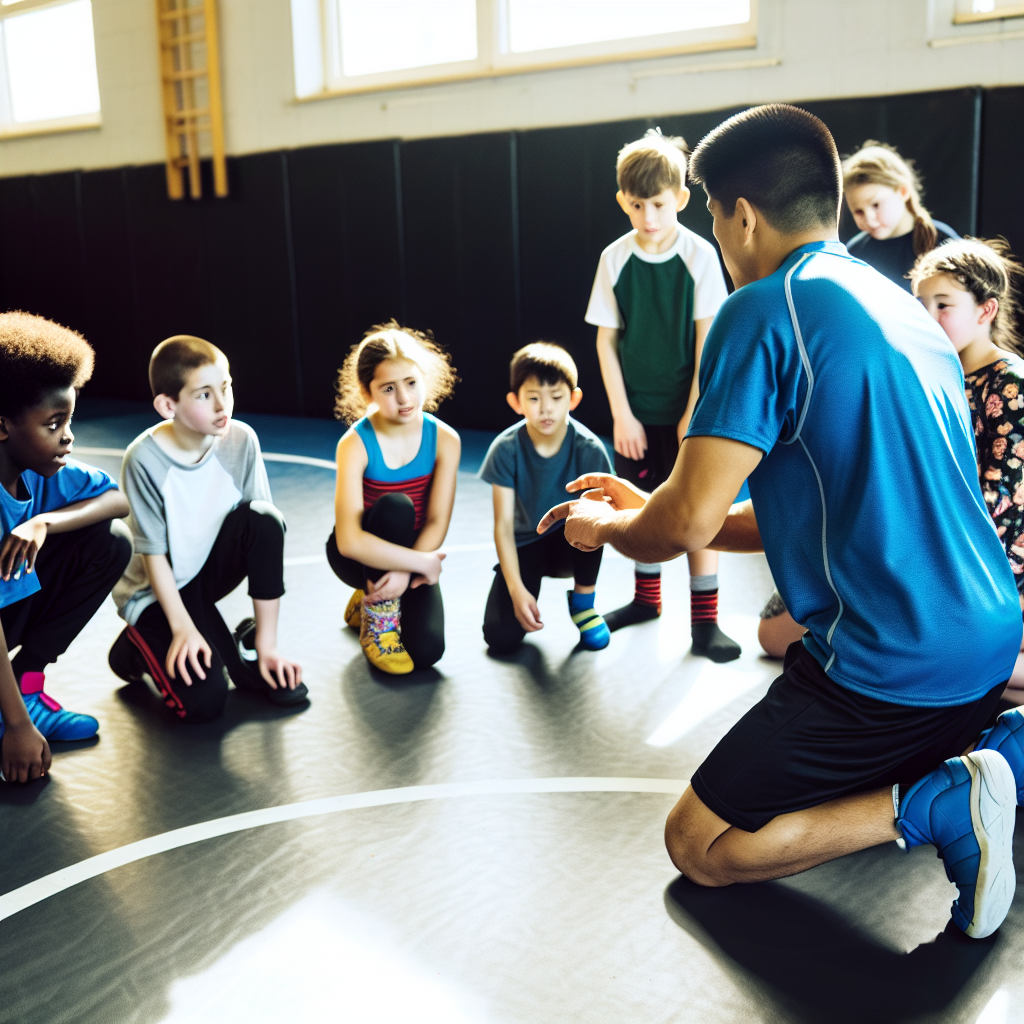
Engaging practices are the heart of coaching youth wrestling. When structured well, they create excitement, sharpen skills, and build lasting discipline. Start with dynamic warm-ups like chase games or tumbling relays to break the ice and raise the heart rate. Keeping the tempo high makes learning feel like play.
From there, focus on basics: stance, penetration steps, and takedowns like single legs. Rotate drills every five minutes to maintain attention. Keep instruction simple and repetitive, encouraging skill retention through action.
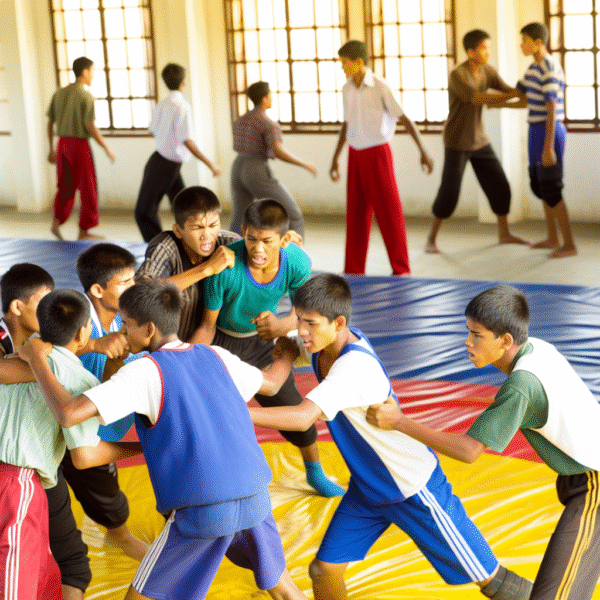
Incorporate situational wrestling—30-second challenges or “bottom in period three” scenarios. These moments simulate real competition and build mental toughness. In Bismarck, North Dakota, one innovative coach enhances training by using ropes outdoors for grip strength, blending creativity with athletic development.
Local Tournaments and Travel Meets: Learning on the Road
Coaching youth wrestling doesn’t end in the practice room. Local tournaments and regional meets provide athletes a stage to test skills, build confidence, and form new friendships. For families, these events become exciting reasons to travel and explore nearby attractions.
Events like the Wild West Wrestling Championships in Casper or the Rocky Mountain Nationals in Denver blend competitive spirit with family adventure. A weekend tournament in Cedar Falls, Iowa, can double as a nature excursion to George Wyth State Park. Coaching youth wrestling at such events also offers valuable networking, exposure to different styles, and community bonding.
For better tournament experiences:
- Book lodgings near the venue for convenience.
- Plan downtime activities to keep families engaged.
- Enjoy community extras—local food, crafts, and live music often enhance the day.
Bringing Practice Outdoors
Adventure-ready families and coaches can add energy to training by heading outside. Coaching youth wrestling doesn’t have to stay indoors. In coastal Maine, teams condition on the beach at sunrise, combining sprints with push-ups to sharpen focus and develop grit under crashing waves.
Create sessions like “Mat in the Mountains,” where you roll out portable mats in scenic parks such as Cherry Creek State Park in Colorado or Fall Creek Falls in Tennessee. Combine traditional drills with nature-inspired strength work using logs or weighted packs. Keep these optional to center fun and self-motivation.
Key safety tips for outdoor training:
- Ensure surfaces are flat and debris-free.
- Bring water, first aid kits, and sun protection.
- Check weather forecasts—conditions can change quickly in mountainous areas.
Championing Cultural Competency in Coaching
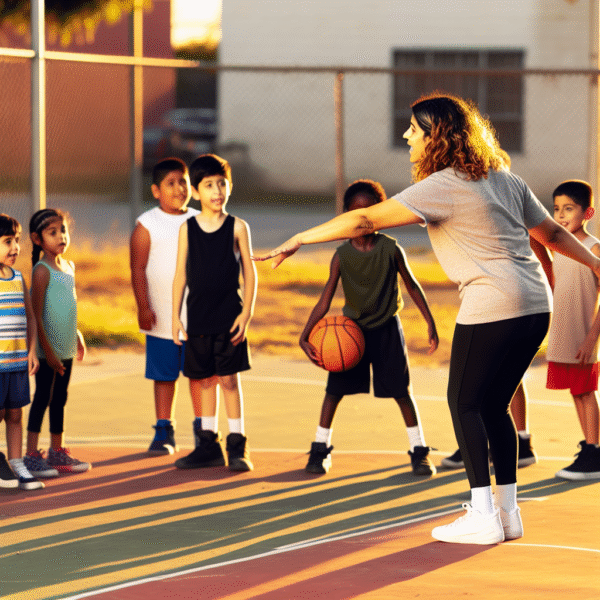
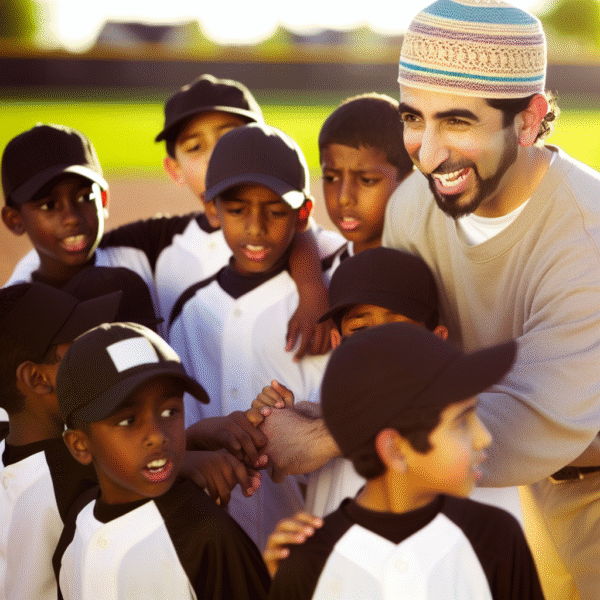
Inclusive coaching makes wrestling accessible and transformative. In urban communities like Oakland, California or Minneapolis, Minnesota, youth wrestling often intersects with diverse cultural identities. Coaches must tune in to the family dynamics, local customs, and languages present on their mats.
In Shiprock, New Mexico, teams integrate Navajo traditions into their practice ethos—with rituals and mentorship rooted in community respect. Great coaching listens first, then teaches. Use visuals and language support to explain techniques like “sprawl” or “hip heist,” and encourage multilingual access through parent volunteers or apps.
Inclusive coaching fosters stronger teams, better understanding, and more impactful results in and out of competition.
Community Resources and Parent Partnerships
Every town offers unique assets for coaching youth wrestling. From school gyms to local YMCAs and church halls, a dedicated coach can find space to train eager athletes. Establish relationships early—with recreation councils, schools, and civic groups—to create consistent opportunities.
In Missoula, Montana, the Panthers Youth Wrestling Club built a “Parent Mentor Program” to welcome new families. Pairing veterans with newcomers eases transitions and strengthens team culture. Assign supportive roles: hydration monitors, equipment checkers, or match video recorders, giving parents purposeful participation.
If your town is in a wrestling-rich state like Ohio or Illinois, involve alumni or local college athletes. Many are eager to return as guest coaches, offering fresh perspectives and building inspiration loops for young grapplers dreaming big.
Wrestling Across America: A Coach’s Roadmap
Coaching youth wrestling offers uncommon access to the heart of local America. Whether you’re parked in Gillette, Wyoming, on an RV journey or working a seasonal job in Kansas City, there’s a wrestling room nearby that welcomes your skills and spirit. With each takedown taught and value shared, you’re not just coaching—you’re connecting with a town’s culture and shaping future leaders.
Let youth wrestling be your roadmap. From moonlit mats in desert towns to gymnasiums alive with cheers, every stop represents a shared goal: build better athletes and stronger communities. Coaching youth wrestling is more than a role—it’s a way to travel with purpose, lead with heart, and grow through every experience on and off the mat.