Mastering the Fundamentals: How to Coach Youth Basketball from the Ground Up
Learning how to coach youth basketball effectively begins with understanding the basics—on and off the court.
Coaching young athletes is more than teaching techniques; it’s about unlocking their potential, boosting confidence, and shaping lifelong habits. Whether you’re a veteran in your hometown or a volunteer in Buenos Aires, knowing how to coach youth basketball starts with strong fundamentals and a deep focus on how children learn, play, and grow.
Across diverse locations—from the outdoor courts of Portland, Oregon to neighborhood gyms in Venice—coaching follows a global rhythm. Like travel, the progression from basic drills to full game play is a journey of discovery. This guide shows you how to coach youth basketball effectively, regardless of the players’ age, skill level, or geography.
Establishing Foundations: Structure, Communication, and Court Awareness
The fundamentals of basketball begin before stepping onto the court. Structure is key. Establish expectations early—promptness, positive effort, mutual respect, and enjoyment. In community-oriented places like Austin’s Zilker Park, coaches often hold a relaxed parent-player meeting before the season kicks off. Set expectations: practice dates, team rules, and goals centered around development, not just wins.
Clear communication builds trust. Keep instructions simple and age-specific. Younger players (ages 7–9) respond well to visual learning. Use cones, chalk lines, or other visual aids to explain movement and spacing. A phrase like “Move toward the ball” replaces “Don’t just stand there,” turning critique into encouragement.
Boosting court awareness takes intention. Try “Spacing Squares,” a basic half-court drill with each corner marked by cones or chalk. Players must pass or complete a dribble sequence before shifting squares. This introduces spacing and decision-making in a fun, tangible way.
Close each session with a team ritual—a cheer, quick talk, or recognition of effort. These habits create community bonds, just as they do on the shared courts of Cape Town’s Sea Point Promenade. Youth basketball thrives when players feel like they belong.
Smart Drills: From Dribbling to Defense
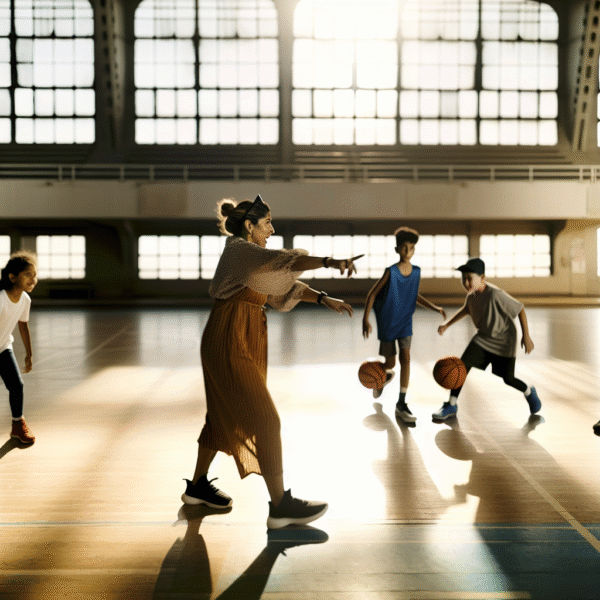
Knowing how to coach youth basketball means mastering progression. Always start simple. Even seasoned players benefit from revisiting the basics. Prioritize dynamic drills over stationary ones to simulate real gameplay. For example, a “Dribble Obstacle Course” (using cones or flip-flops) sharpens footwork and ball control while keeping kids moving.
Integrate communication with passing drills. In “Mirror Pass,” players face off in two lines, mimicking each other’s footwork while calling the receiver’s name before every pass. It improves timing, awareness, and builds team chemistry.
Don’t overlook defense. Many new coaches do. Use a drill like “Shadow Defense,” where players mimic opponents’ moves without reaching for the ball. This sharpens defensive posture and lateral movement. For added fun, adapt “Sharks and Minnows” to include defensive positioning—pure play meets practical skill.
Shooting comes after mastering balance and form. A favorite: “Form Shooting” just beneath the rim, using only the shooting hand while the off-hand rests behind the back. Emphasize arc and follow-through. In places like Melbourne, older players often demonstrate this drill for younger athletes, offering real-time mentorship.
Game IQ: Teaching Young Players to Think on the Court
Once basic skills are developed, shift focus to strategic thinking. Start by using small-sided games—like 3-on-3—where players make faster decisions and enjoy more ball-time. Coaches in Copenhagen often use futsal-sized mini courts to teach spacing, passing, and court movement.
Use situational scrimmages to teach transition play. “Numbers Advantage” games (like 3-on-2) mimic fast breaks and encourage instinctive decision-making. Keep asking guiding questions: Is the paint open? Is the defender overcommitting? Help players read and react rather than just follow set patterns.
Introduce team formations gradually. Complex concepts like full-court presses are too advanced for most young teams. Instead, use simple scenarios. In Vancouver’s Kitsilano Beach leagues, coaches use color-coded wristbands to help kids understand defense versus offense without overwhelming them.
If available, use video feedback. Recording practices—even on a smartphone—lets players observe themselves. Apps like Hudl or Coach’s Eye work great, but even brief WhatsApp shares are helpful, especially in volunteer settings like youth programs in Chiang Mai, Thailand.
Fostering Team Culture: Motivation, Inclusion, and Fun
Understanding how to coach youth basketball also involves building a team culture. Motivation rises when players feel a sense of ownership. Let them lead warmups, suggest drills, or kick off huddles. In Tokyo’s Shinagawa clubs, rotating captains week by week fosters a shared sense of leadership.
Recognize effort as much as performance. Create awards like “Hustler of the Day” or “Teammate of the Week” based on attitude, not stats. Use whiteboards or mini chalkboards to spotlight players who encouraged others or went the extra mile.
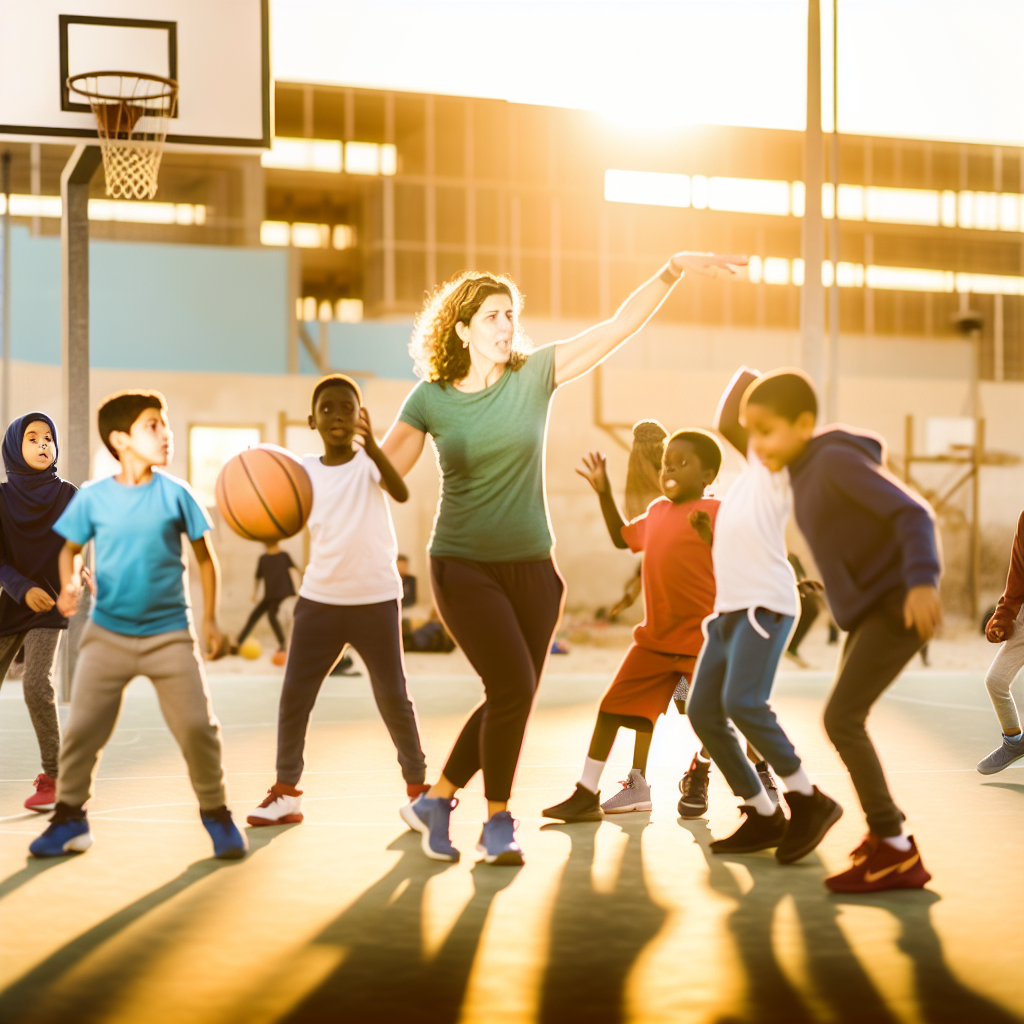
Inclusivity makes teams stronger. Coaching girls and boys together, or supporting children with diverse abilities and backgrounds, adds richness to any session. In Mexico City’s Parque Hundido, co-ed clinics with mixed age groups create inclusive experiences that build courage, empathy, and team connection.
Plan occasional off-court activities—a group hike, beach afternoon, or game night. A youth team in Queenstown, New Zealand, might end Saturday scrimmages with a Bob’s Peak sunset hike. Those shared experiences outlast any buzzer-beater or stat sheet.
Developing the Advanced Player: Skill, Focus, and Growth
As athletes improve, refine your approach. Each player learns differently—some are visual, others hands-on. Use pro-level clips from the EuroLeague or past team games to break down plays. Even simple tools like resistance bands, agility ladders, or tennis balls can elevate hand-eye coordination or footwork drills.
Create personalized development plans. In Minneapolis, community centers like Matthews Park work with youth to set goals—for example, improving shot accuracy, assist-to-turnover ratios, or stamina through weekly cardio. Progress logs make improvement tangible, which keeps motivation strong.
Introduce routines that teach discipline. Help kids develop pregame mental habits: stretching, visualizing, reviewing what they’ve learned. These practices, whether learned on rugged outdoor courts in Medellín or air-conditioned gyms in Seoul, prepare young athletes for high-pressure settings.
Broaden perspectives. Show athletes inspirational sports documentaries or iconic NBA highlights. If coaching abroad—say, in a youth program on Australia’s Sunshine Coast—host a film night and replicate their favorite pro moves the next day. Learning sticks when it’s fun and relatable.
Mentorship also becomes key. Pair older players with younger ones for “buddy drills.” Organize joint practice days with nearby teams to expose kids to various play styles. Whether in Nairobi’s Uhuru Park or Liberty Park in Salt Lake City, these interactions create valuable bonds and learning moments.
Creating Impact: Purpose-Driven Coaching in Youth Basketball
If you’re wondering how to coach youth basketball with lasting impact, remember this: your role goes beyond drills. Whether you’re coaching on a dusty court in Oaxaca or managing a summer team in Chicago’s Hyde Park, you’re shaping future leaders. You’re teaching discipline, teamwork, resilience, and joy.
Great coaching blends structure with flexibility. Let local culture complement the experience—break for street food in Hanoi, or huddle by a shaded tree in rural Crete. Use every practice as a place of both development and connection. After all, like travel, coaching is less about the destination and more about the journey—and the lives changed along the way.