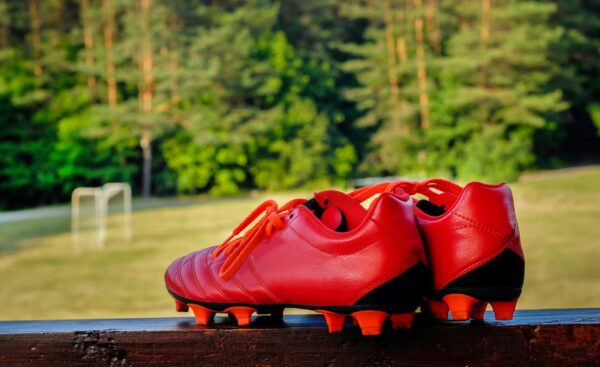

When we talk about youth soccer jerseys, we’re not just talking about shirts. We’re talking about identity, safety, confidence, and the feeling kids get when they pull that jersey over their head and think, “I belong here.”
As a coach, your job isn’t to chase the flashiest look. It’s to choose a youth soccer jersey that helps kids play their best, feel proud of their team, and learn the right lessons from the game.
Let’s walk through today’s major youth soccer jersey trends—what’s popular, what actually matters for kids, and how to make smart choices for your league or team.
1. Performance First: Fabrics Built for Active Kids
The biggest shift in youth soccer jerseys over the last decade is the move to high-performance synthetic fabrics, even at the rec level.
Most modern youth jerseys are made from 100% polyester mesh or micro-poly interlock. These fabrics are:
-
Lightweight and breathable – mesh and interlock weaves allow airflow to keep kids cooler.
-
Moisture-wicking – designed to pull sweat away from the skin so jerseys don’t cling and feel heavy.
-
Durable and snag-resistant – built to handle repeated washing, sliding, and kids being… well, kids.
Many jerseys now also add:
-
Odor-resistant treatments for long seasons and shared storage.
-
UPF / UV protection (often UPF 30+) for sunny tournament days.
Coaching wisdom:
When you’re choosing a youth soccer jersey, prioritize:
-
Breathable mesh or moisture-wicking polyester
-
Soft feel (have a sample on hand and literally rub the inside of the fabric with your fingers)
-
“Tagless” neck labels so nothing scratches or distracts kids
Comfort is confidence. If kids aren’t tugging at their jerseys, they’re more likely to stay focused and enjoy the game.
2. Customization and Sublimation: Pro-Level Looks for Youth Teams
Another huge trend in youth soccer jerseys is the explosion of sublimated designs—those bold patterns and colors baked right into the fabric.
With sublimation, teams can add:
-
Unique color fades and geometric patterns
-
Team logo, sponsor logo, league badge
-
Player name and number
All without heavy vinyl patches or multiple layers of ink. The result is a lightweight, breathable jersey with pro-style graphics.
Many teamwear suppliers now let youth coaches:
-
Design jerseys online with drag-and-drop tools
-
Order in small minimum quantities (great for rec teams or small clubs)
-
Match youth and adult sizes in the same design family
Coaching wisdom:
Sublimated, custom youth soccer jerseys can be exciting—but set expectations:
-
Choose clean, readable designs over loud patterns. Kids and parents need to see numbers easily.
-
Keep designs consistent across age groups if you want a club identity.
-
Try to avoid designs that will look “dated” in a year—simple stripes, chevrons, or classic patterns age better than gimmicky graphics.
3. Reversible and “Two-in-One” Jerseys
Many leagues struggle with color clashes and forgotten pinnies. A growing trend is reversible youth soccer jerseys:
-
One color for “home”, one for “away”
-
Light side and dark side satisfy uniform rules in many leagues
-
Less gear for kids to remember—flip the jersey instead of digging for a bib
Manufacturers now offer reversible jerseys in breathable mesh with full sublimated designs on both sides, so kids don’t feel like they’re playing in a practice pinnie.
Coaching wisdom:
If your league often has jersey-color conflicts, investing in reversible youth soccer jerseys is a sanity saver. It also simplifies your pre-game routine: “We’re blue today, turn to the dark side,” and you’re done.
4. Safety and Rules: Numbers, Contrast, and Uniform Regulations
While we want jerseys to look sharp, they also have to meet basic safety and rules standards—especially for travel, middle-school, or high-school-aged teams.
Common guidelines you’ll see (from high-school and federation rule sets):
-
Numbers required on the back (and often on the front, jersey or shorts)
-
Back number usually at least 6 inches tall; front number 4 inches or more
-
Numbers must contrast clearly with the jersey color (no dark number on dark jersey)
-
Names, numbers, team emblems, manufacturer logo, and sometimes a flag patch are typically the only adornments allowed in formal play
-
The goalkeeper jersey must be clearly different in color from both teams
Even if your rec league is more relaxed, these standards are helpful:
-
Referees can identify players quickly
-
Parents and coaches can track substitutions and development more easily
-
Kids get used to “real soccer” standards as they grow
Coaching wisdom:
When designing a youth soccer jersey:
-
Avoid low-contrast combos like navy numbers on royal blue, or yellow on neon green.
-
Test a mockup from 30–40 yards away. If you can’t read the number from across the field, the ref probably can’t either.
-
Don’t overcrowd the back—large number, name above it if desired, and that’s it.
5. Style Trends Kids Love: Color, Inspiration, and Identity
Kids want to feel like their heroes. Today’s youth soccer jersey trends are heavily influenced by:
-
Major European clubs and MLS kits
-
National teams from recent World Cups
-
Bold color blocking, diagonal stripes, and gradient fades
You’ll see:
-
Bright neons paired with black or navy
-
Teal, mint, and “electric” blues
-
Monochrome looks (all red, all black, etc.) with a high-contrast trim
-
Retro throwback designs inspired by ’90s jerseys
For younger ages, many leagues still stick with simple, solid colors with contrast sleeves or side panels—easy to match, easy to reorder, and less likely to clash.
Coaching wisdom:
It’s okay to let kids have a voice in jersey design:
-
Give them a few pre-approved templates and colors to vote on.
-
Frame it as team ownership: “This is your jersey. You’ll represent our values in it.”
-
Remind them we’re designing for everyone—not just the fastest or the most outgoing players. Every child should feel proud wearing it.
This approach aligns well with Positive Coaching Alliance ideas: involving kids, giving them a sense of voice, and building team identity in a positive way.
6. Fit and Function: Jerseys for Real Kids, Not Pros
A common mistake is ordering youth soccer jerseys like they’re pro kits—too slim, too long, or uncomfortable around the neck.
Key fit considerations:
-
Room to grow – Youth players grow mid-season; leave a little space without drowning them in fabric.
-
Range of motion – Raglan or set-in sleeves that don’t bind when kids raise their arms to head the ball or throw in.
-
Necklines – V-necks or crewnecks with soft trim; avoid stiff collars that rub.
-
Layering – Think about cold-weather games; kids may need a base layer under the jersey.
Coaching wisdom:
When possible, have a fit night:
-
Lay out sample sizes
-
Let kids try them on over a T-shirt
-
Note sizes in your team spreadsheet right there
A well-fitted jersey boosts confidence and keeps kids from constantly adjusting their clothes mid-game.
7. Inclusivity and Representation in Jersey Choices
Uniforms send a message: You belong here or this wasn’t designed for you.
Modern programs, especially ones influenced by Positive Coaching Alliance values, are thinking more intentionally about:
-
Unisex cuts that work for all kids, or offering a female-cut option for older girls who prefer it
-
Color choices that appeal to both boys and girls (don’t default to “pink for girls”)
-
Avoiding designs or slogans that might embarrass shy or self-conscious players
-
Offering a consistent look across teams so everyone feels part of the same club family
Coaching wisdom:
Ask yourself: If I were the least confident kid on this team, how would I feel wearing this jersey?
If the answer isn’t “proud,” tweak the design.
8. Practical Considerations for Parents: Cost, Durability, and Care
Parents are your partners. When selecting a youth soccer jersey, consider:
Cost and Value
-
Look for jerseys that balance affordability and durability—many reputable teamwear companies offer budget-friendly polyester options designed for youth leagues.
-
Consider sponsorships or fundraising to offset cost if your design is more custom.
Durability
-
Sublimated designs don’t crack or peel like older heat-applied graphics, making them ideal for repeated washing.
-
Reinforced stitching and snag-resistant fabric help jerseys last multiple seasons or be passed down.
Easy Care
Share simple care tips with families:
-
Wash inside-out in cold water
-
Avoid bleach and fabric softeners
-
Hang dry if possible to prolong fabric and print life
A quick handout or email with “How to care for your youth soccer jersey” goes a long way.
9. Sustainability and Eco-Friendly Options
Another emerging trend: eco-conscious uniforms.
Some manufacturers now offer:
-
Jerseys made from recycled polyester (often from plastic bottles)
-
Production processes that reduce water and chemical use
While not yet universal, this is growing, and many clubs highlight sustainable jerseys as part of their values—especially as kids learn more about environmental responsibility.
Coaching wisdom:
If sustainability matters to your community, talk about it with your players:
“Your jersey used to be plastic bottles. Now you’re giving it a second life on the field.”
That turns a simple uniform into a teachable moment.
10. How to Choose the Right Youth Soccer Jersey for Your Team
Here’s a simple checklist you can use as a coach or league director.
A. Performance & Comfort
-
Moisture-wicking polyester
-
Breathable (mesh or ventilated areas)
-
Tagless or soft neck label
-
Comfortable fit with room to grow
B. Safety & Compliance
-
High-contrast numbers, front & back
-
Number size appropriate for league rules (typically 6”+ back, 4”+ front)
-
Goalkeeper jersey clearly different in color
-
No distracting or unsafe adornments
C. Design & Identity
-
Colors that fit your club or school identity
-
Clean, readable fonts for numbers/names
-
Kids had some input (within your guidelines)
-
Option for reversible jerseys if color clashes are common
D. Parent-Friendly
-
Reasonable cost
-
Durable enough for multiple seasons
-
Easy care instructions provided
11. Using Jerseys to Reinforce Your Team Culture
Finally, remember: the youth soccer jersey is a tool for teaching—not just playing.
You can use uniforms to reinforce the kind of culture we talk about in Positive Coaching Alliance and Little League-style environments:
-
Respect:
-
“We keep our jerseys tucked and clean to show respect for the game, the ref, and our opponents.”
-
-
Effort over outcome:
-
Consider small patches or sleeve marks earned for practice attendance, good sportsmanship, or leadership—not just goals scored.
-
-
Unity:
-
Remind players that the name on the front matters more than the name on the back.
-
Pre-game tradition: everyone puts a hand on the crest and says a team value (“effort,” “respect,” “fun”).
-
When kids associate their jersey with positive experiences, support, and growth, you’ve already won—regardless of the scoreboard.
Final Encouragement for Coaches and Parents
If you’re choosing youth soccer jerseys this season, don’t stress about having the “coolest” kit in the league. Focus on:
-
Comfort and safety
-
Clarity and confidence
-
Identity and inclusion
Ask your players what colors make them feel fast, brave, or united. Involve parents in the decision when cost is a factor. And keep the big picture in mind: we’re not just outfitting a team, we’re building young people.
Every time a child pulls on that jersey, it should quietly whisper:
You belong. You matter. Let’s go play.